Your eyesight is a huge part of how you experience the world, from reading a book to seeing the faces of your loved ones. Just like the rest of your body, your eyes change throughout your life. A regular comprehensive eye exam is a simple step to help care for your long-term vision and health.
So, how often do you need to schedule a visit? The right schedule for an eye exam depends on your age, your personal health history, and whether you have any risk factors for eye conditions. We can help you figure out a timeline that works for your family’s vision needs.
Eye Exam Schedules for Adults and Seniors
Your eyes change as you get older, so a regular check-up is a good way to stay on top of your health. The right schedule for you often depends on your age and overall wellness. It helps keep your prescription up to date and monitors for any changes.
Adults Aged 18–64
For most adults with no known risk factors, the American Optometric Association recommends a comprehensive eye exam every 1–2 years. This timeline allows us to catch small vision changes before they become bigger issues. It also helps us spot the early signs of potential eye health concerns.
If you don’t have any symptoms, this schedule works well for many people. It’s a proactive way to care for your eyes. Think of it as a routine part of your overall health care.
Seniors Aged 65 and Over
Once you reach age 65, it’s a good idea to schedule an eye exam every year. Annual visits become more helpful as you get older. This is because the risk for certain age-related eye conditions can increase.
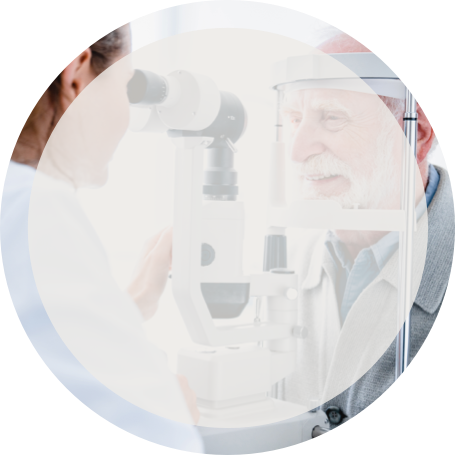
A yearly exam allows your eye doctor to monitor your eye health closely. We can look for conditions like cataracts, glaucoma, and macular degeneration. We can also make sure your glasses or contact lens prescription is accurate for your needs.
Eye Exam Schedules for Kids and Teens
Clear vision is very important for learning and development. From the classroom to the playground, your child needs healthy eyes to thrive. Regular eye exams can help make sure their vision is developing correctly.
Infants and Toddlers
We recommend a first comprehensive eye exam for your baby between 6 and 12 months of age. This initial check is important for detecting any early signs of vision problems. Understanding key infant vision milestones can help you know what to expect and set them up for a lifetime of healthy sight.
An early exam can spot issues that may be harder to address later on. Your eye doctor can check for proper eye alignment, movement, and overall health. This gives you peace of mind as your child grows.
Preschool and School-Age Kids
Your child should have at least 1 eye exam between the ages of 3 and 5. After that, we suggest annual children’s eye exams once they start school. This helps confirm they can see the board clearly and focus on their work.
Vision problems can sometimes be mistaken for learning or behavior issues. A regular check-up helps rule out any visual challenges that could affect their school performance. It’s a simple way to support their educational journey.
Reasons for More Frequent Eye Exams
Some factors can increase your risk for eye health issues. If any of these apply to you or a family member, your eye doctor might suggest more frequent visits. This allows us to provide more focused care for your specific needs.
Wear Contact Lenses
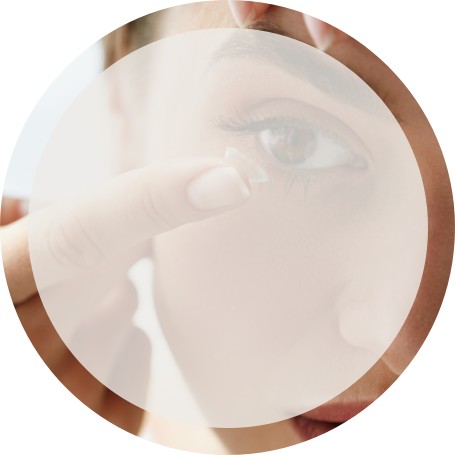
People who wear contact lenses are typically advised to receive annual eye exams. An annual visit helps confirm your prescription is right for your needs. It also gives us a chance to perform a contact lens exam to check that your lenses still fit properly and are comfortable.
Your vision can change gradually without you noticing. A yearly check helps keep your prescription current for the clearest possible sight. It also lets us introduce you to new lens technologies that may improve your comfort.
Certain Health Conditions
Some general health conditions can affect your eyes. For instance, people with diabetes or high blood pressure may need more frequent exams. Regular monitoring, such as through diabetic eye exams, helps protect your vision from related complications. It’s an important part of managing your overall health.
When we know about your health history, we can pay special attention to certain areas. This collaborative approach between your doctors helps keep you healthy. Communication is key to your care.
Certain Medications
Some medications can have side effects that impact your eyes. It’s important to let your eye doctor know about any prescriptions or over-the-counter drugs you take. We can then monitor for any potential changes to your eye health.
Your eye doctor is a part of your total health team. Keeping us informed helps us provide you with the most appropriate care. We can work together to keep your eyes healthy.
More Than a Vision Check
A comprehensive eye exam is about much more than just seeing if you need glasses. It’s a complete health check for your eyes and can also offer a glimpse into your overall wellness.
Identify Common Conditions
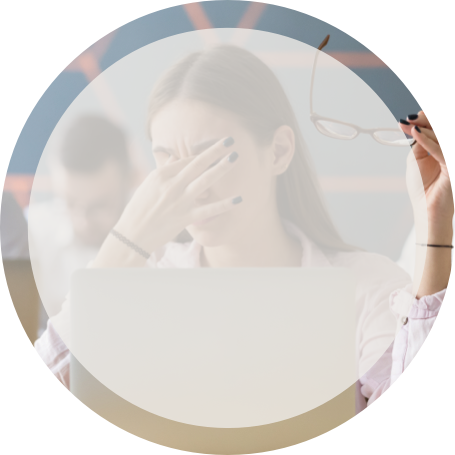
During your exam, we can spot common but uncomfortable issues like dry eye. Many people experience symptoms without realizing a solution is available. Let us know if you have noticed any of these signs:
- A stinging or burning feeling in your eyes
- Sensitivity to light
- Redness in your eyes
- Watery eyes, which can be a sign of dryness
- Blurry vision or eye fatigue
These symptoms can interfere with your daily life, from reading to driving. Identifying the cause is the first step toward relief. We can discuss options that may help you feel more comfortable.
Evaluate Your Overall Eye Health
We also check the structures of your eye, like the tiny glands that line your eyelids, to make sure they’re working correctly. We look for subtle changes that you might not notice on your own. This detailed evaluation gives us a full picture of your health.
This approach helps us offer you personalized attention. We can find unique optical solutions tailored to your lifestyle. We can also discuss options like alternative dry eye therapies if that’s a concern for you.
Your Comprehensive Eye Exam Experience
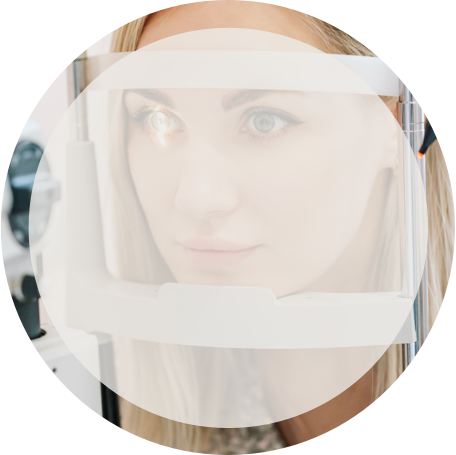
A comprehensive eye exam is a straightforward and comfortable process. We start by talking with you about your health history, your family’s health history, and any concerns you may have. Your input is an important part of the exam.
A Vision Test
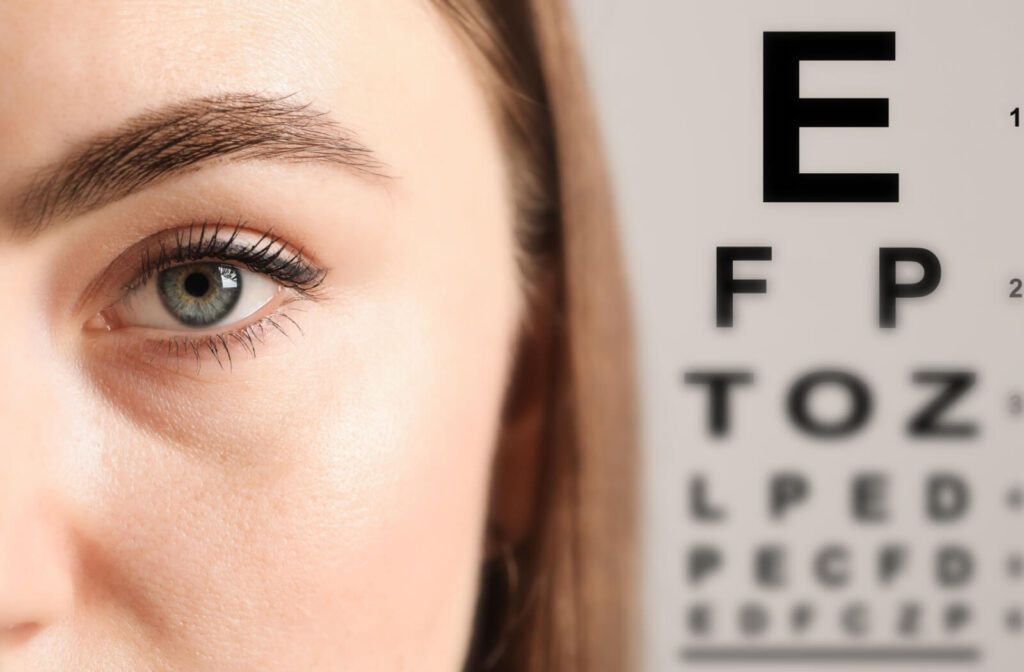
We’ll test how clearly you see at different distances using an eye chart. This is the part of the exam most people are familiar with. It helps us check for any refractive errors—that’s what tells us if you need glasses or contacts.
This test is simple and helps us understand your visual acuity. It’s a foundational part of determining the right prescription for you. We walk you through each step of the process.
An Eye Health Evaluation
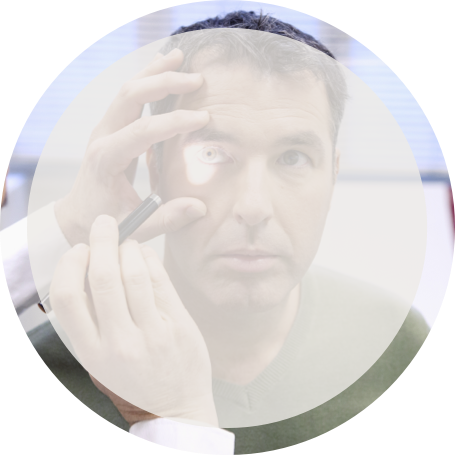
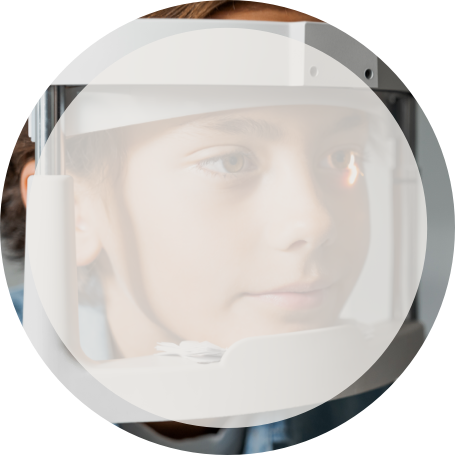
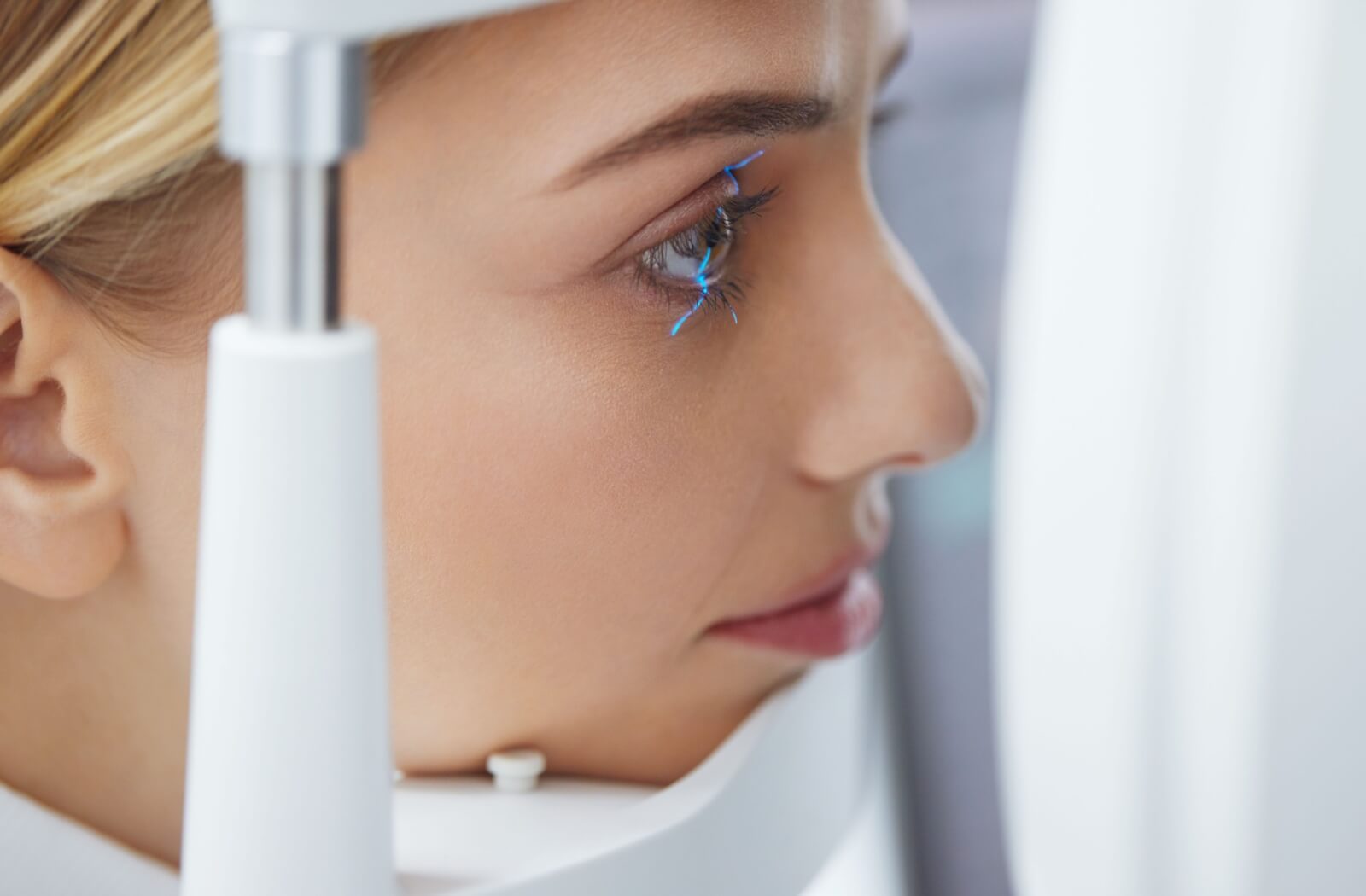
Beyond the vision chart, we look at your complete eye structure. We check your eye pressure, which is a key indicator of glaucoma. We also see how your eyes work together as a team.
This part of the exam gives us a full picture of your eye health. It allows us to look for any underlying issues that may not have obvious symptoms yet. It’s a thorough check-up from the front of your eye to the back.
Personalized Eye Care for Your Whole Family
We believe in providing personalized attention for every member of your family. From your child’s first eye exam to your annual check-up, we are here to support your family’s vision needs. We are dedicated to offering a welcoming and informative experience every time you visit.
At Family Vision Care, we want to be your local eye care partner. If you’re looking for an eye doctor in Baden, Cranberry, Wexford, or Mt. Oliver, our team is ready to welcome you. Contact us today to schedule an appointment for you or your family.