You might think your vision is fine if you can see street signs clearly or if you don’t have any issues reading your favorite book. But our team at Family Vision Care knows that seeing clearly is only 1 part of your eye health story.
A comprehensive eye exam is a complete health check for your eyes, and it goes far beyond a simple vision test. It can give the eye doctor a detailed look at your eye health and can even reveal information about your overall well-being.
More Than Just a Vision Check
What Is a Vision Screening?
A basic vision screening, like the one you may take to renew your driver’s license, usually just checks how well you see from a distance. While helpful for a baseline, these tests are limited. They can miss many common eye health conditions, which are important to detect early.
What Does a Full Eye Exam Include?
A full eye exam is different. It’s a complete evaluation of your vision at all distances, as well as a thorough check of your eye health. The eye doctor will look for any signs of disease, check how well your eyes work together as a team, and take the time to review your personal and family health history to create a full picture of your eye care needs. This is your time to ask questions about other common eye concerns, like dry eye or digital eye strain.
What Happens During Your Eye Exam
A Look at Your Vision and Prescription
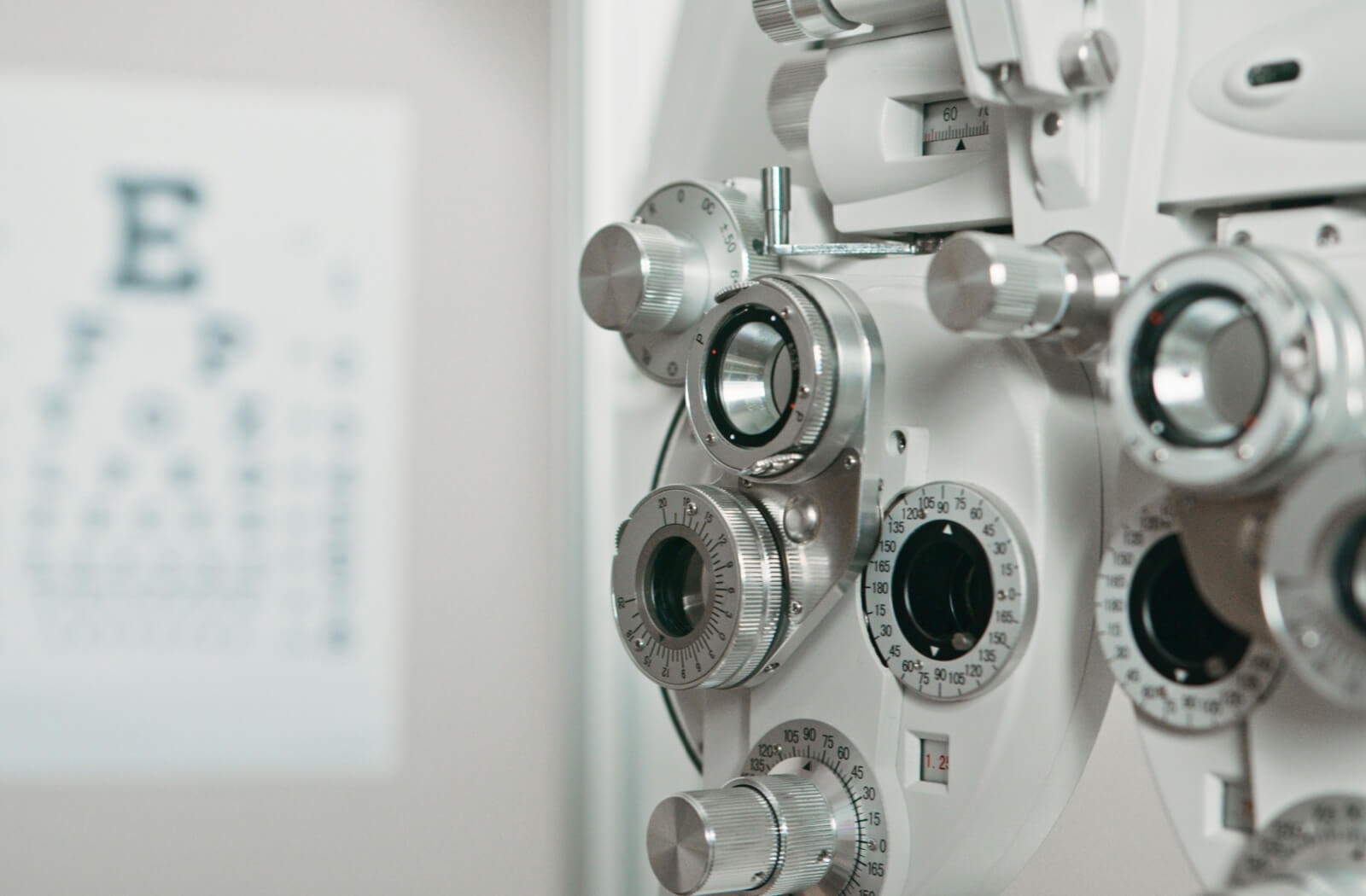
You’re likely familiar with some parts of an eye exam. One test is for visual clarity, where you read letters on a chart to see how sharp your vision is. Another is the refraction test, where the eye doctor has you look through different lenses to find the exact prescription that helps you see as clearly as possible.
An Evaluation of Your Eye Health
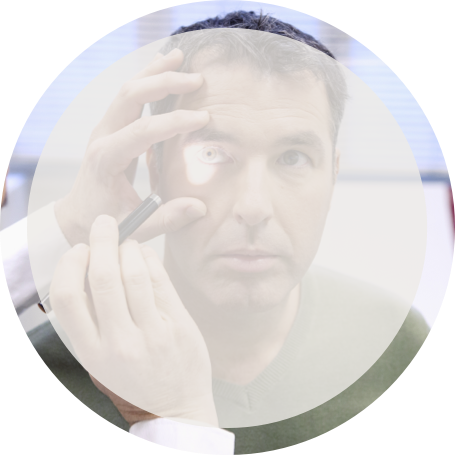
The eye doctor can also check the health of your eyes. An eye pressure test uses a gentle puff of air or a light touch to check for signs of glaucoma, which is an eye condition that can damage the optic nerve (which sends signals to your brain). People usually do not have any eye symptoms in early stages of glaucoma, so early prevention is important!
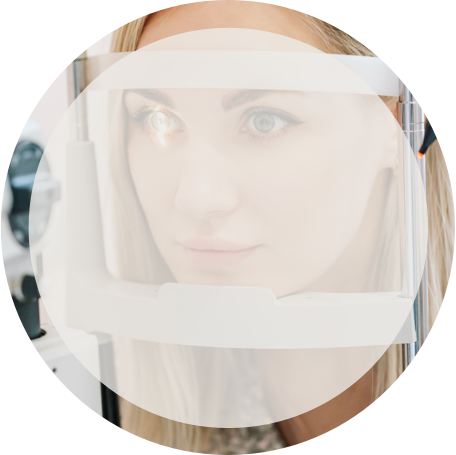
Another test helps the eye doctor to look at the back of your eye, including the retina (the back of the eye). Modern technology plays a big role. Our team uses fundus photography and innovative tools like optical coherence tomography (OCT) to take digital scans of your eyes, creating detailed maps that help us track small changes over time.
A Check on How Your Eyes Work Together
Your eyes are a team, and the eye doctor can check to see how well they work together. You may be asked to follow an object with your eyes to see how your eye muscles are doing. This test, called an alignment test, helps determine if your eyes are properly teaming up to focus on objects.
What an Eye Exam Can Reveal About Your Health
Common Eye Conditions
Regular eye exams are important for catching eye conditions before they cause significant vision changes. Treatment options are often more effective when these eye issues are caught early, making visits to the optometrist a key part of your overall health routine. An eye exam can spot early signs of:
Signs of Other Health Issues
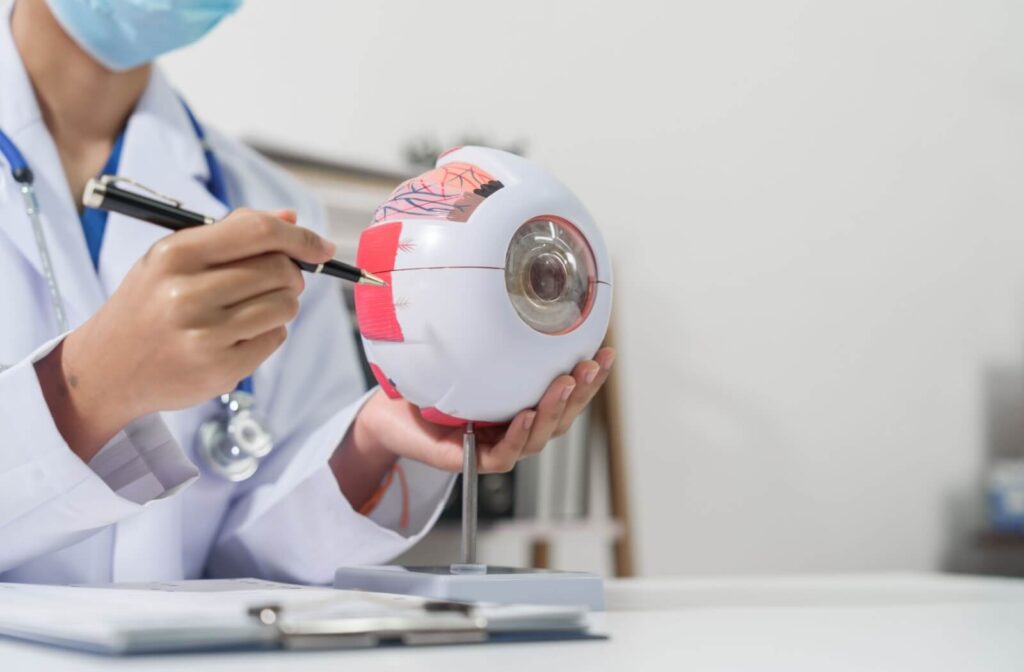
Your eyes can also show signs of other health issues happening in your body. Your eyes are the only place in the body where your blood vessels can be seen noninvasively, which means an eye doctor can sometimes be the first one to notice early signs of:
- Diabetes
- High blood pressure
- Autoimmune conditions
- Changes in the retinal blood vessels that may signal an increased risk of stroke
How Often Your Family Needs an Eye Exam
For Children and Teens
Good vision is important for a child’s development and learning. It’s a good idea for kids to have their first exam around 6 to 12 months old. They should have at least 1 more between the ages of 3 and 5, before they start school. After that, an eye exam should be done annually so their vision can support their learning.
For Adults
For most adults, an eye exam every 1–2 years is a good idea, depending on individual health needs. After age 65, an annual exam is recommended, as that age group is often at higher risk of developing serious eye conditions. Though general advice is a good starting point, our eye doctor can recommend a schedule that fits your specific needs.
Get Ready for Your Appointment
What to Bring with You
To get the most out of your visit, it’s helpful to come prepared. It can be helpful to bring:
- Your current glasses and contact lenses
- A list of any medications you take
- Your family’s eye health history
What to Discuss with the Eye Doctor
Be ready to talk about any changes you’ve noticed in your vision, even if they seem small. Your health history is also important, so share any new information, even if it doesn’t feel related to your eyes. We’re here to help, so don’t hesitate to ask our team any questions you have about your eyes.
Schedule Your Eye Exam Today
A comprehensive eye exam is more than just a prescription check: It’s about protecting your vision and your health for years to come. Our team at Family Vision Care provides personalized attention and unique treatments for every member of your family. If you’re looking for an eye doctor in Baden, Wexford, or Cranberry, we encourage you to schedule an appointment to give your eyes the complete care they deserve.