
You’re going about your day when you suddenly notice it—that gritty, burning feeling in your eyes. It’s uncomfortable, distracting, and can even make your vision a little blurry. If you’ve suddenly developed dry eyes, you’re likely looking for answers.
There are many reasons you might experience this discomfort, and it’s not always just one thing. The sudden onset of dry eye is often caused by a disruption to your tear film from environmental factors, health changes, or even your daily habits.
Telltale Signs of Dry Eye
Dry eye symptoms can feel different for everyone, but they often affect both eyes. It might seem odd, but watery eyes are a common response to dryness. Your body sends a flood of tears to combat the irritation, but these tears are often of poor quality and don’t lubricate well.
You might experience a few of these signs at once:
- A stinging, burning, or scratchy feeling
- Redness or irritation
- Sensitivity to light
- The sensation that something is in your eye
- Watery eyes
- Blurry vision or tired eyes
- Difficulty wearing contact lenses
Common Reasons for Sudden Dry Eye
The comfort of your eyes depends on a healthy tear film with 3 layers: oil, water, and mucus. When something disrupts this balance, you may get dry eye syndrome. This usually happens for 2 main reasons: your eyes don’t make enough tears, or your tears evaporate too quickly.
Changes in Your Environment and Routine
Sometimes, the cause is right in front of you. Your daily habits and surroundings can play a big part in eye comfort.
- Low humidity: Air conditioning, car heaters, and even airplanes create very dry air, causing your tears to evaporate faster.
- Screen time: When you focus on a computer or phone, you blink less often, and blinking is what spreads fresh tears over your eyes.
- Wind and smoke: Direct airflow from fans or being in a smoky environment can quickly dry out your eyes.
- Contact lenses: Some types of contact lenses can absorb the tears from your eyes, leading to discomfort over time.
The Role of Medications and Health
What’s happening inside your body can also show up in your eyes. These medications often work by reducing fluid secretions throughout your body, and your tear production can be affected, too.
Certain medications and health conditions are common culprits, including:
- Medications: Decongestants, antihistamines, blood pressure medications, and antidepressants can sometimes reduce tear production.
- Health conditions: Dry eye can be linked to conditions like rosacea, thyroid disorders, Sjogren’s syndrome, and rheumatoid arthritis.
Age, Hormones, and Diet
Natural life changes can also affect your tear quality. As we get older, tear production tends to slow down, making dry eye more common after age 50.
Hormonal shifts and your diet can also play a role.
- Hormonal shifts: Changes from pregnancy or menopause can disrupt the tear film.
- Diet: A diet low in vitamin A or omega-3 fatty acids may contribute to dry eye symptoms.
Could It Be Your Eyelids?
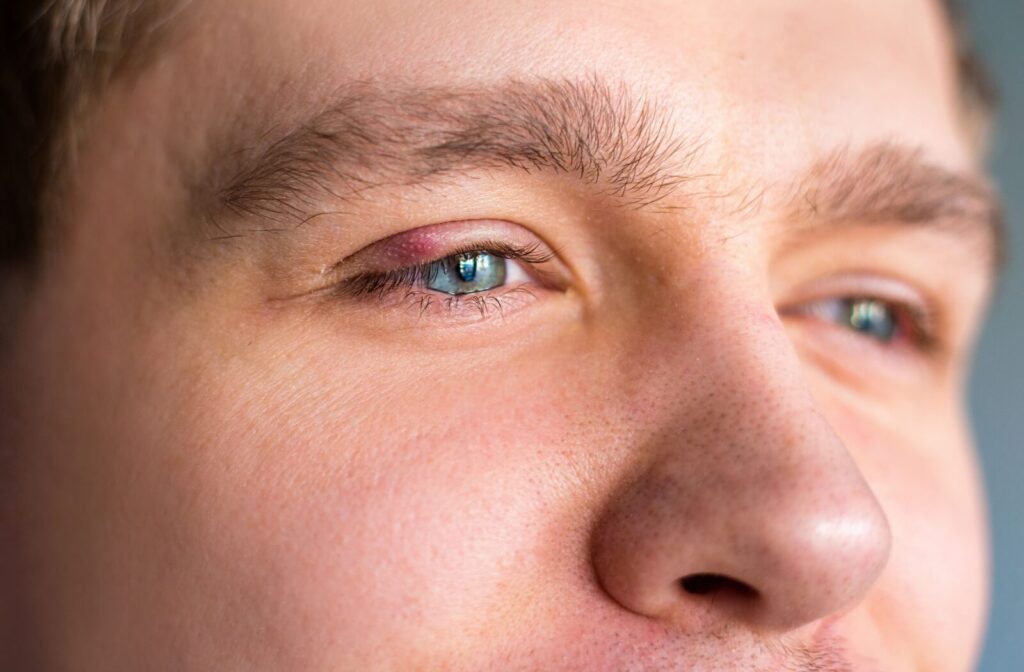
Sometimes, the problem isn’t the tears themselves, but the tiny glands that line your eyelids. These glands are responsible for the oily layer of your tears. This is a very common cause of dry eye symptoms, and it’s one we can check for during your exam.
A Look at Meibomian Gland Dysfunction
The edges of your eyelids are lined with small meibomian glands that release an oil. This oil prevents your tears from drying up too quickly. If these glands get blocked—a condition called meibomian gland dysfunction or MGD—your tears evaporate too fast, leaving your eyes feeling dry and irritated.
Simple At-Home Tips for Relief
While you figure out the root cause, there are a few things you can do at home to help your eyes feel more comfortable. These simple adjustments can make a noticeable difference in your day-to-day comfort. Give them a try to see if they can help you find some relief.
- Take screen breaks: Follow the 20-20-20 rule—for every 20 minutes of screen time, look at something 20 feet away for at least 20 seconds.
- Add moisture to the air: Use a humidifier in your home or office, especially during the winter.
- Protect your eyes: Wear wraparound sunglasses outside to block wind and dry air.
- Try a warm compress: A clean, warm washcloth held over your closed eyes for a few minutes can help unblock oil glands.
- Stay hydrated: Drinking plenty of water throughout the day can support overall hydration, which includes your tear production.
When to See Your Local Eye Doctor
If you’ve tried a few things at home and your eyes still don’t feel right, it’s a good idea to schedule a visit. Persistent dry eye can affect your quality of life, so getting a clear diagnosis is an important step toward feeling better. An eye doctor can help identify the cause and create a plan that gives you relief.
What to Expect at Your Appointment
Your eye doctor will talk with you about your symptoms, health history, and lifestyle. They will perform a thorough exam to check your tear quality and look for signs of conditions like MGD. This helps pinpoint the specific reason for your discomfort so you can get the right support, from personalized optical solutions to alternative dry eye therapies.
Find Relief
Your vision and comfort are connected to your overall well-being. Getting to the bottom of sudden dry eye is a key step in maintaining your eye health. Whether you need an eye doctor in Cranberry, Wexford, or Mt. Oliver, we’re here to help you get answers.
At Family Vision Care, we are committed to providing personalized attention for your entire family. We can find a solution that works for you. Contact us today to schedule your comprehensive eye exam.