Key Takeaways
- Myopia, or nearsightedness, makes distance objects look blurry while close objects stay clearer.
- Myopia cannot be cured or reversed, and children don’t outgrow it.
- Laser surgery corrects blurry distance vision in adults, but eye health monitoring continues afterward.
- Higher prescriptions are linked to greater long-term risks like retinal detachment, glaucoma, and cataracts.
- Myopia management options for children include specialty glasses and contact lenses, ortho-k, and low-dose atropine drops.
- Two hours of outdoor time daily and regular eye exams support your child’s eye health.
What Myopia Means for Vision
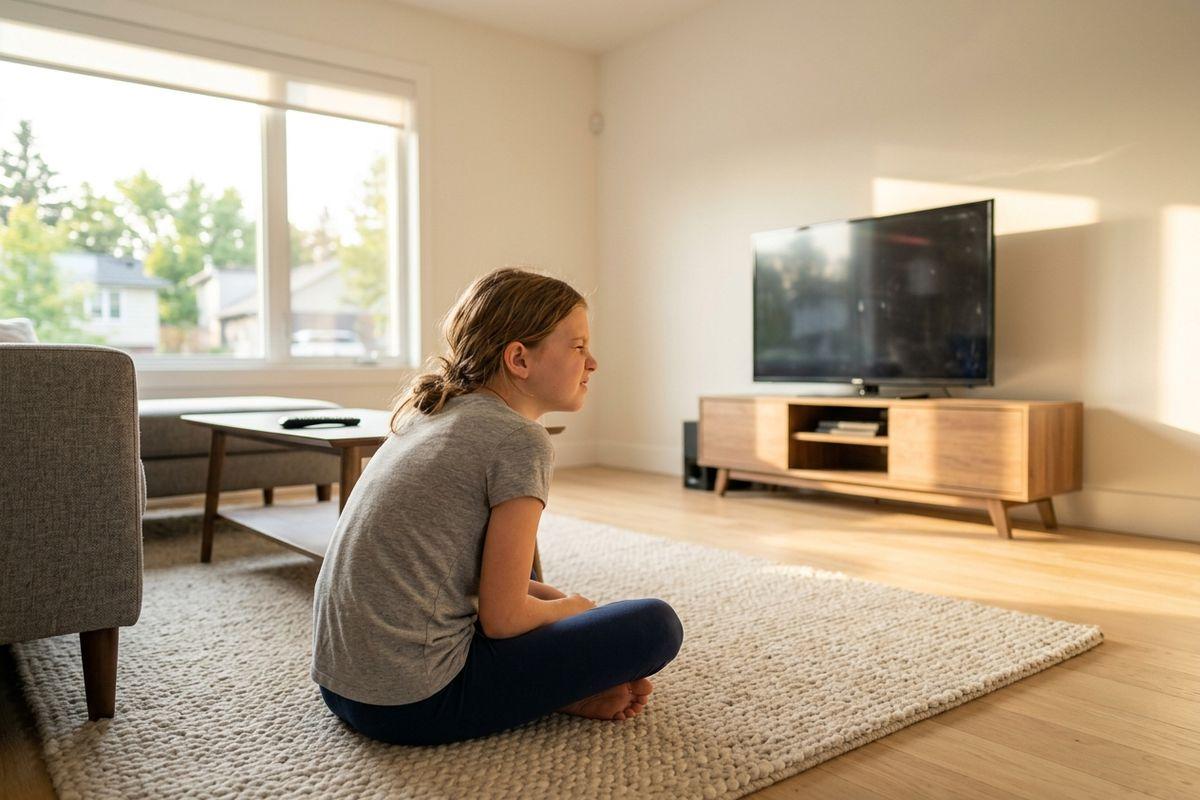
Your child squints at the TV from the couch. Their teacher mentions they can’t see the front of the classroom clearly. On the other hand, your child is perfectly capable of reading a book on their lap without any trouble.
That pattern points to myopia, and it often shows up between ages 5 and 14. Myopia can’t be cured or reversed, but it can be managed, and slowing how quickly it progresses can help protect your child’s long-term eye health.
If your child is struggling with myopia, our team at Family Vision Care can assess their vision and recommend a path forward.
Signs Your Child May Be Nearsighted
Kids rarely say “my distance vision is blurry.” Instead, they adapt. This means that you often need to watch their behavior in order to realize that something’s wrong. Pay attention to:
- Squinting at the TV or the whiteboard at school
- Headaches or tired eyes after school
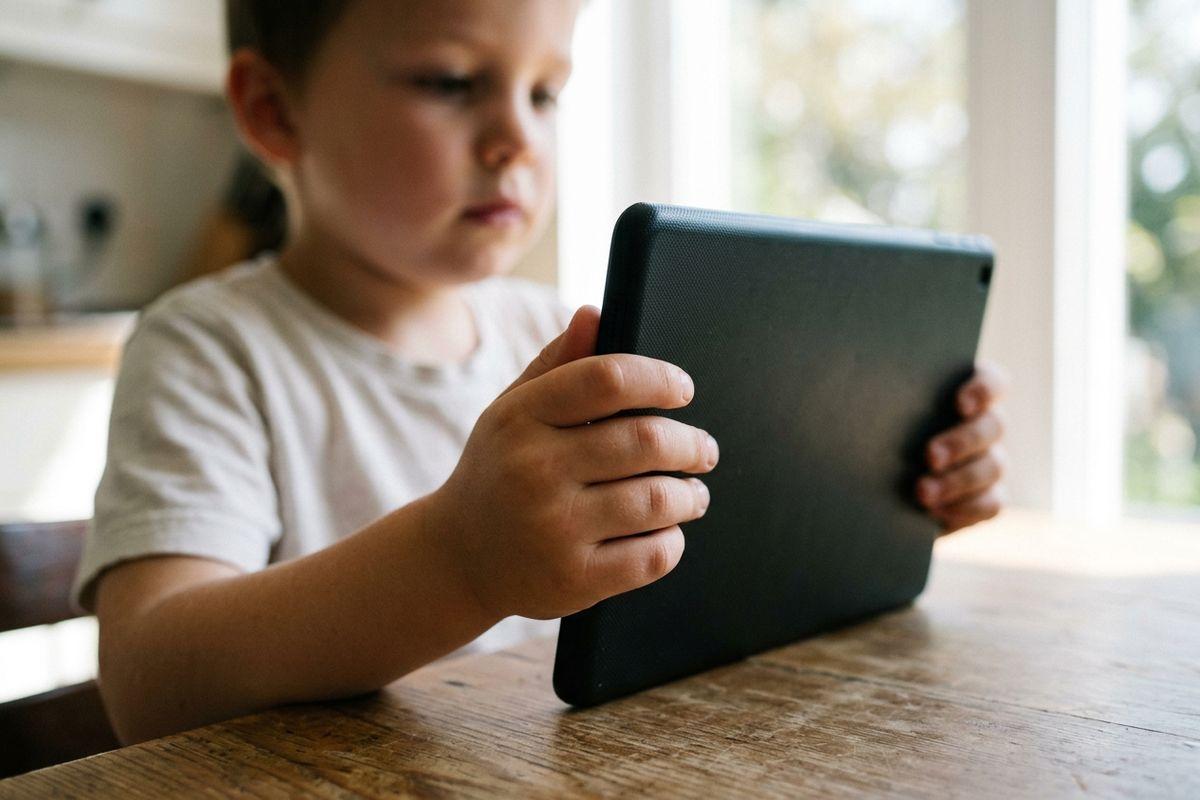
- Sitting very close to screens or holding a tablet near the face
Why Myopia Can’t Be Cured or Reversed
Myopia involves changes in the shape of the eye, and those changes are permanent. There’s no proven method today that reverses them.
You may have heard that children grow out of nearsightedness. They don’t. A prescription that appears at age 8 tends to get stronger rather than fading away, which is why the focus of myopia control is on management and protecting future vision.
Does Laser Surgery Cure It?
Laser surgery corrects blurry distance vision in adults, so glasses may no longer be needed afterwards. However, the underlying structure of the eye hasn’t changed, so people who get laser surgery still have the same myopia-related risks, and continued monitoring of eye health still matters.
When Does Myopia Stop Changing?
Myopia often continues to progress into the late teens or early twenties. Changes tend to happen more quickly in younger children, so a first-grader with a new prescription usually needs closer follow-up than a high school senior.
Why Slow Myopia Progression Matters
A stronger prescription isn’t just an inconvenience at the optical counter.
Higher levels of myopia are associated with greater long-term eye health risks, including retinal detachment, glaucoma, and cataracts.
Slowing the pace of change during childhood can help keep a child’s eventual adult prescription lower. That’s why acting early, while the eyes are still changing quickly, tends to make more of a difference.
Myopia Management Options to Ask About
An optometrist can walk you through what suits your family. Our options for myopia control include:
- Soft contact lenses designed for myopia control
- Overnight ortho-k lenses worn while sleeping
- Low-dose atropine eye drops
Daily Habits and Eye Exams with an Eye Doctor in Baden, Cranberry, Wexford, and Mt. Oliver
Aim to have your child spend about 2 hours of outdoor time each day. A bike ride after dinner, recess, or a weekend at the park all count, and that time outside supports healthy eye development.
Indoors, build screen breaks into your child’s routine and limit their overall time doing near work.
Regular eye exams tie it all together. As your eye doctor in Baden, Cranberry, Wexford, and Mt. Oliver, we can track how your child’s prescription is shifting over time and adapt appropriately.
Our team at Family Vision Care can talk you through myopia management options and build a plan around your child’s routine. Book an eye exam today and get answers you can act on.