Key Takeaways
- Polarized lenses use a filter to block light bouncing off flat surfaces like water and roads.
- Less glare can mean less eye strain during long days outside.
- Polarization and UV protection are two separate features, so check the label for both.
- Screens can look dim or dark through polarized lenses.
- An eye exam helps match lens color, material, and fit to how you spend your days.
Sunglasses That Do More Than Dim the Light
You’re driving home on a sunny afternoon and the hood of your car throws back a sheet of white light. Or maybe you’re out on the lake fishing and the glare on the water is giving you a headache. At Family Vision Care, many of our patients come to us with these kinds of issues, and the fix usually starts with the right pair of sunglasses.
Polarized sunglasses have a built-in filter that blocks the harsh, reflected light that often bounces off of flat surfaces such as water, snow, wet roads, and car hoods. This makes the world sharper and more comfortable to look at.
How Polarized Lenses Cut Glare
Think of mini blinds on a window. When the slats sit at a certain angle, only some light gets through, while the rest gets stopped. A polarized lens works in a similar way. The lenses are designed with a filter that allows vertical light to pass through, while blocking horizontal reflected light (the light that causes glare).
Where Glare Comes From
Glare shows up when light reflects off flat surfaces around you. Water, fresh snow, sun-baked pavement, and the hood of your car are all common sources of glare.
Benefits of Polarized Sunglasses for Your Family
Less glare usually means less squinting, and less squinting means your eyes feel calmer after a day outdoors. Polarized lenses often make colors look more natural while improving contrast, making it easier to do tasks like picking out a golf ball on the green.
Kids at the beach, adults on a hiking trail, and grandparents watching a grandchild’s afternoon game all spend hours in bright light without thinking much about it. Polarization helps make this experience more comfortable.
Activities Where Polarized Lenses Help
- Fishing, boating, and beach days where light bounces off the water
- Golf and hiking under open sky
- Snowy days with bright sun overhead
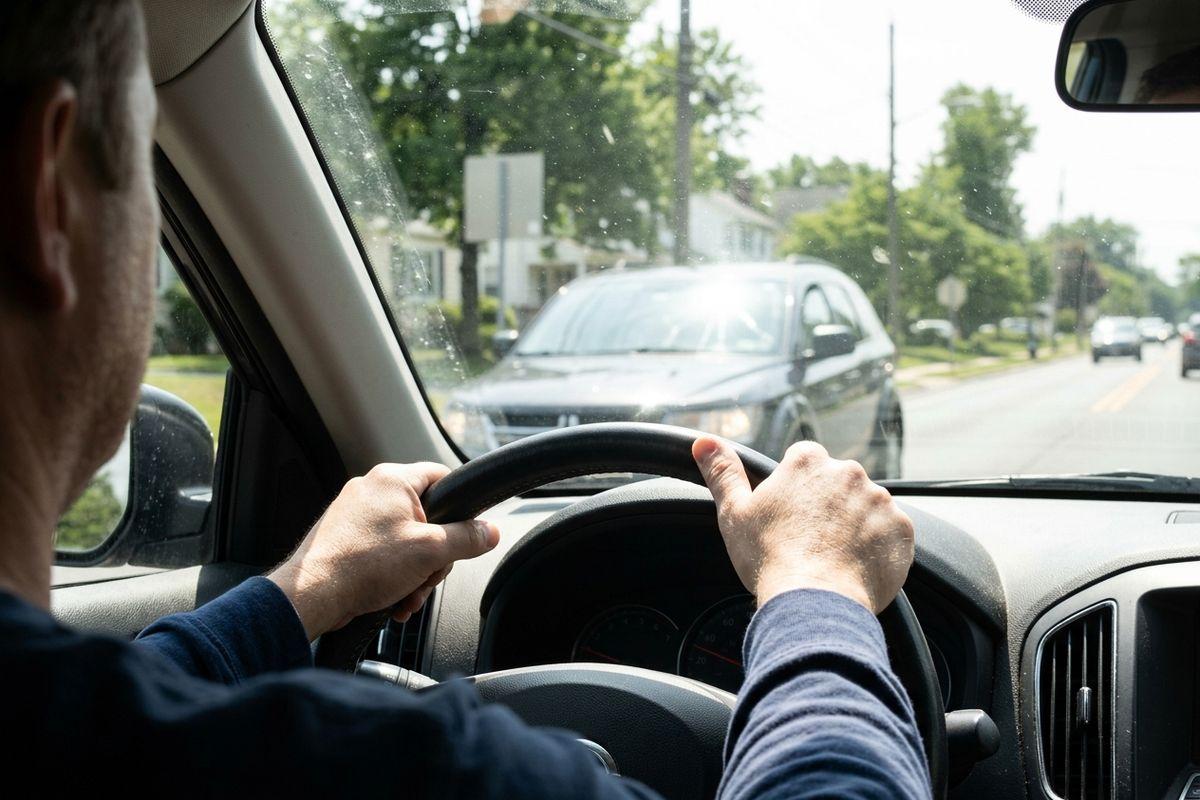
- Daytime driving with glare coming off roads and car hoods

When Polarized Lenses Aren’t the Right Fit
Polarized lenses can make some screens look dim, washed out, or nearly black, depending on the angle you hold them at. This might affect your phone, a car dashboard display, an ATM, and some digital watches.
Icy patches can also be harder to spot with polarized lenses on, as our eyes use glare to distinguish ice from snow. Finally, it goes without saying that you shouldn’t ever wear sunglasses at night.
Polarized Versus UV Protection: What’s the Difference?
These two features often get treated as one. In truth, however, they’re two different functions. Polarization handles glare, while UV protection prevents dangerous light from reaching your eyes. Over time, exposure to UV light can damage your eyes.
A lens can be polarized without full UV blocking. The label tells you what you’re actually getting, and our optical team can walk you through lens coatings and options.
What to Check on the Label
- 100% UVA and UVB protection listed clearly
- The word “polarized” printed on the tag or lens sticker
How to Choose Polarized Sunglasses with Your Eye Doctor in Baden, Cranberry, Wexford, and Mt. Oliver
Lens color changes how the world looks through the tint, while lens material affects weight and durability. But frame fit matters too. A few minutes on how glasses should fit your face can save you from constant adjusting later.
If you wear glasses, prescription polarized sunglasses let you skip the clip-on shuffle and see clearly whenever you’re outdoors. An eye exam gives your optometrist a chance to talk through your days on the water, the trail, or the commute, then match lenses to how you actually live.
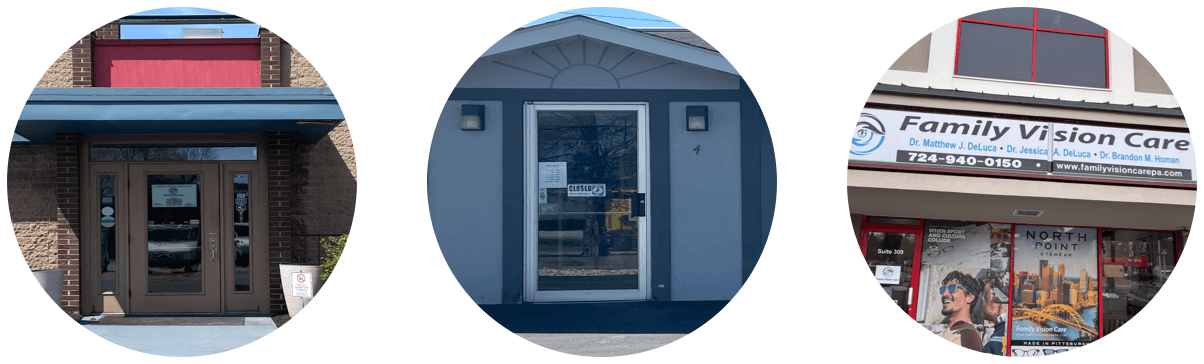
Family Vision Care welcomes families, adults, and adults 65+ across Baden, Cranberry, Wexford, and Mt. Oliver. Book an eye exam and find a pair of polarized sunglasses that fits your face, your prescription, and your weekend plans.